


Can Sugar Intake Affect the Way I Age?
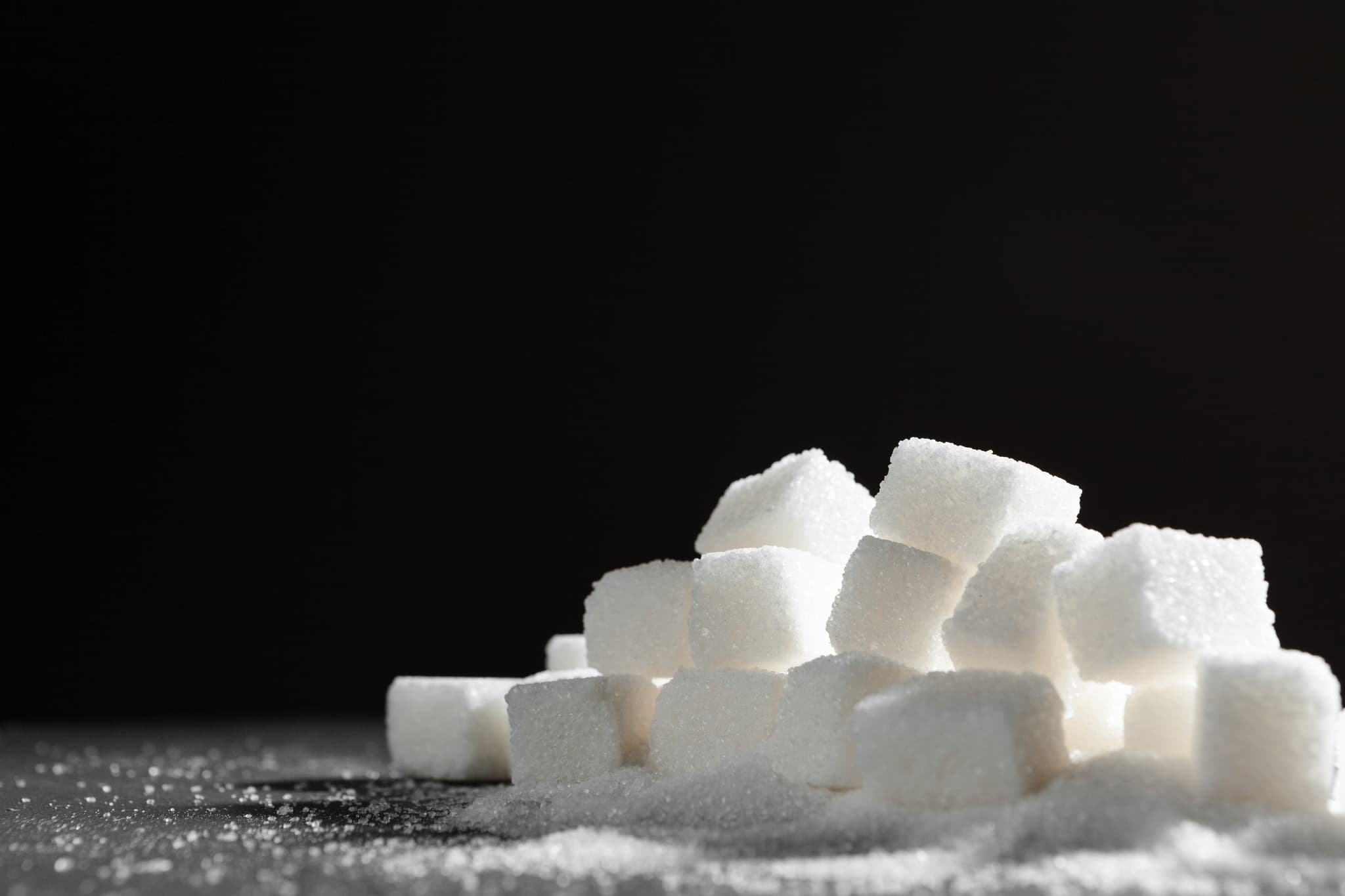
Can sugar make you age faster? Learn how glycation, AGEs and inflammation affect skin and health, and check your HbA1c at ZOII, Gurugram.
Can Sugar Intake Affect the Way I Age?
Short answer: yes, and not just in the "sugar is bad for you" vague sense. Sugar intake affects aging through several distinct, measurable pathways, some of which show up on your face, and some of which show up only in bloodwork years before you'd notice anything in the mirror.
The mechanisms behind it
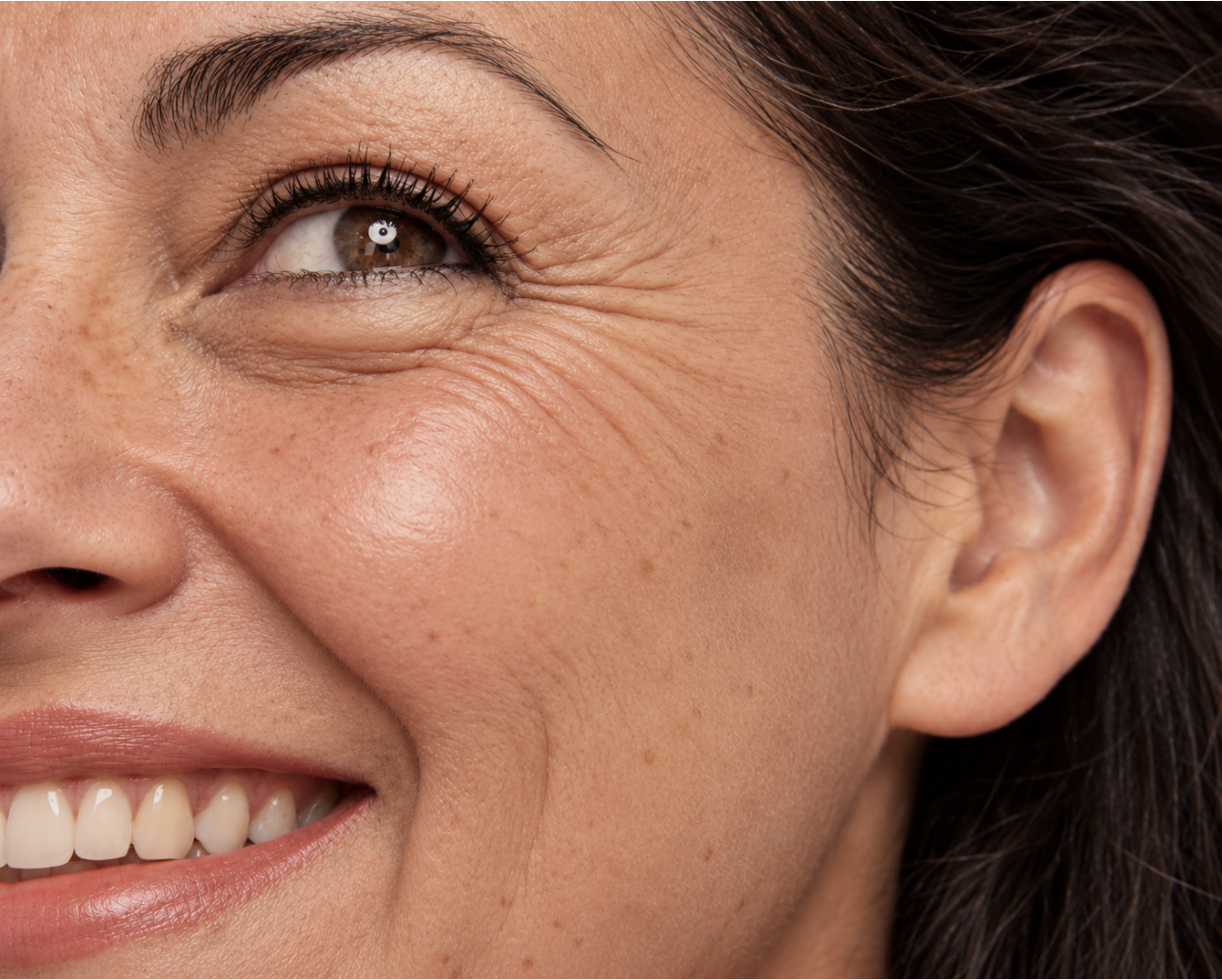
The most direct pathway is glycation. When sugar molecules in your bloodstream attach to proteins or fats without an enzyme controlling the process, they form compounds called advanced glycation end products, or AGEs. Some AGEs build up naturally with age, and your body clears a portion of them through antioxidant and enzymatic systems, but the rest accumulate over decades. When AGEs attach to collagen, the protein that keeps skin firm and elastic, they create abnormal crosslinks that stiffen those fibers and reduce their ability to repair themselves, which is part of why fine lines and sagging get blamed entirely on sun exposure or age alone when sugar is quietly playing a role too.
But glycation isn't the only mechanism, and it may not even be the biggest one. Higher sugar intake is also tied to chronic inflammation, insulin resistance, and ongoing metabolic stress, all of which accumulate over time and raise long-term risk for type 2 diabetes, heart disease, and cognitive decline. More recent research has looked at something more specific: "epigenetic age acceleration," where higher added sugar intake is associated with cells appearing biologically older than a person's actual age, independent of weight or overall diet quality. This is an active area of research rather than settled fact, but the direction of the findings is consistent enough to take seriously.
What it can feel like before you notice it visually
Aging from sugar doesn't always announce itself as a wrinkle. It can show up as fatigue after meals, trouble concentrating, mood swings, disrupted sleep, and joint discomfort, symptoms easy to attribute to stress or just getting older, that are also consistent with the inflammation and blood sugar swings high sugar intake drives.
What actually helps
The American Heart Association's guidance is a reasonable anchor: no more than about 6 teaspoons (25 grams) of added sugar a day for women, and 9 teaspoons (36 grams) for men. That's added sugar specifically, not the natural sugar in fruit or dairy.
A few practical levers matter more than willpower alone. Pairing fruit or other carbohydrates with protein or fat slows the blood sugar spike that drives glycation and inflammation, rather than eating sugar on its own. Swapping dry-heat cooking (grilling, frying, roasting) for moist heat (steaming, poaching, boiling) measurably lowers the AGEs formed in food itself, and cooking meat with acidic ingredients like lemon juice or vinegar can cut that further. Tracking your intake alongside how you actually feel, energy, mood, sleep, for even a week or two tends to surface patterns people don't notice otherwise.
None of this reverses AGEs that have already cross-linked into existing collagen. It slows how fast new ones form, which is a more honest claim than anything promising to "undo" aging.
Finding out where you actually stand
Glycation is also the basis of a test most people have already had without realizing the connection. HbA1c, the standard marker for long-term blood sugar control, is literally a measure of glycated hemoglobin. It's a useful reminder that this isn't an abstract wellness concept; it's something that shows up in bloodwork long before it shows up anywhere else.
At ZOII, DLF City Phase 1, Gurugram, a Comprehensive Blood Panel includes markers like blood sugar and HbA1c, giving an actual read on where sugar is affecting your aging process rather than a guess. ZOII's Nutrition Counselling then builds a plan around reducing added sugar and dietary AGE intake in a way that fits your actual results, not a generic cut-the-sugar lecture.
Book a Comprehensive Blood Panel and nutrition consultation at ZOII to find out how sugar is actually affecting the way you age.